
Distillery Website Design
Old Scotland Road Distillery Project
Our collaboration with Old Scotland Road began with a broken website. The distillery’s website had crashed during an update and could not be recovered.
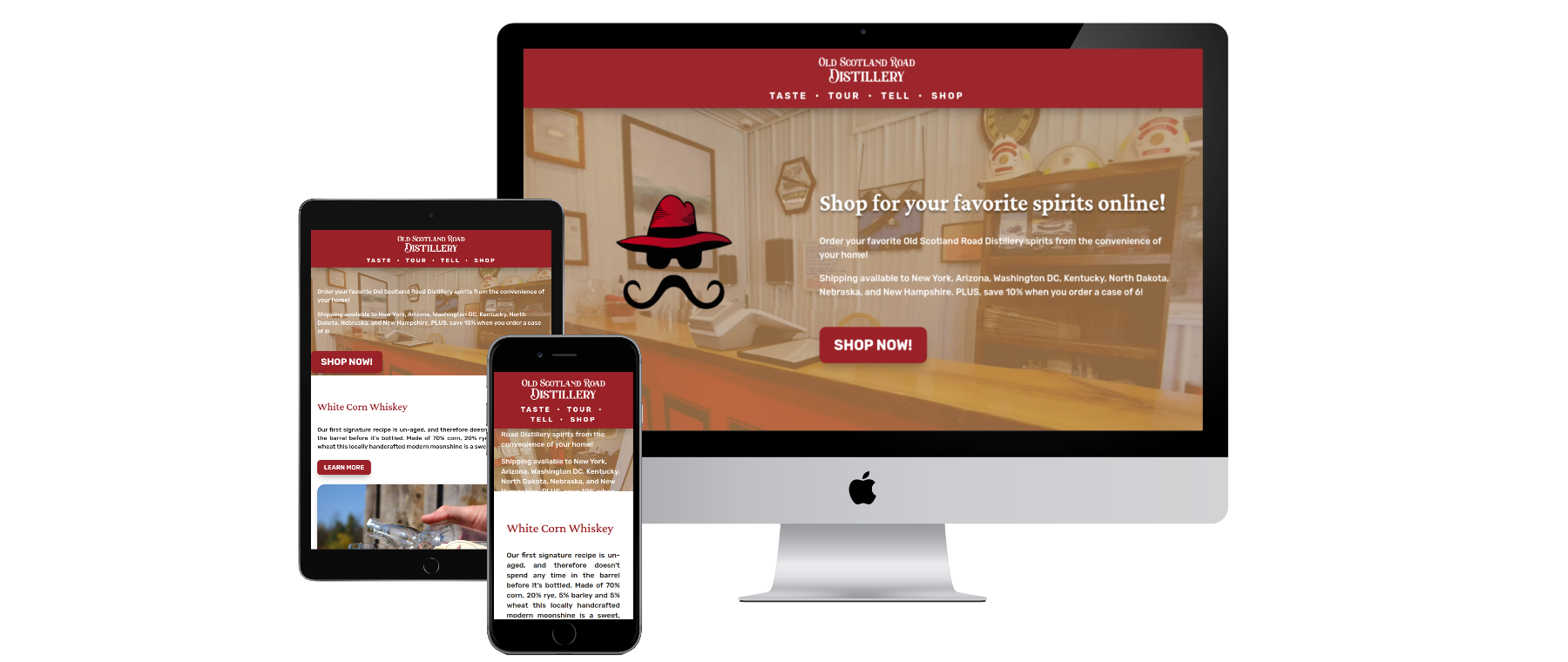
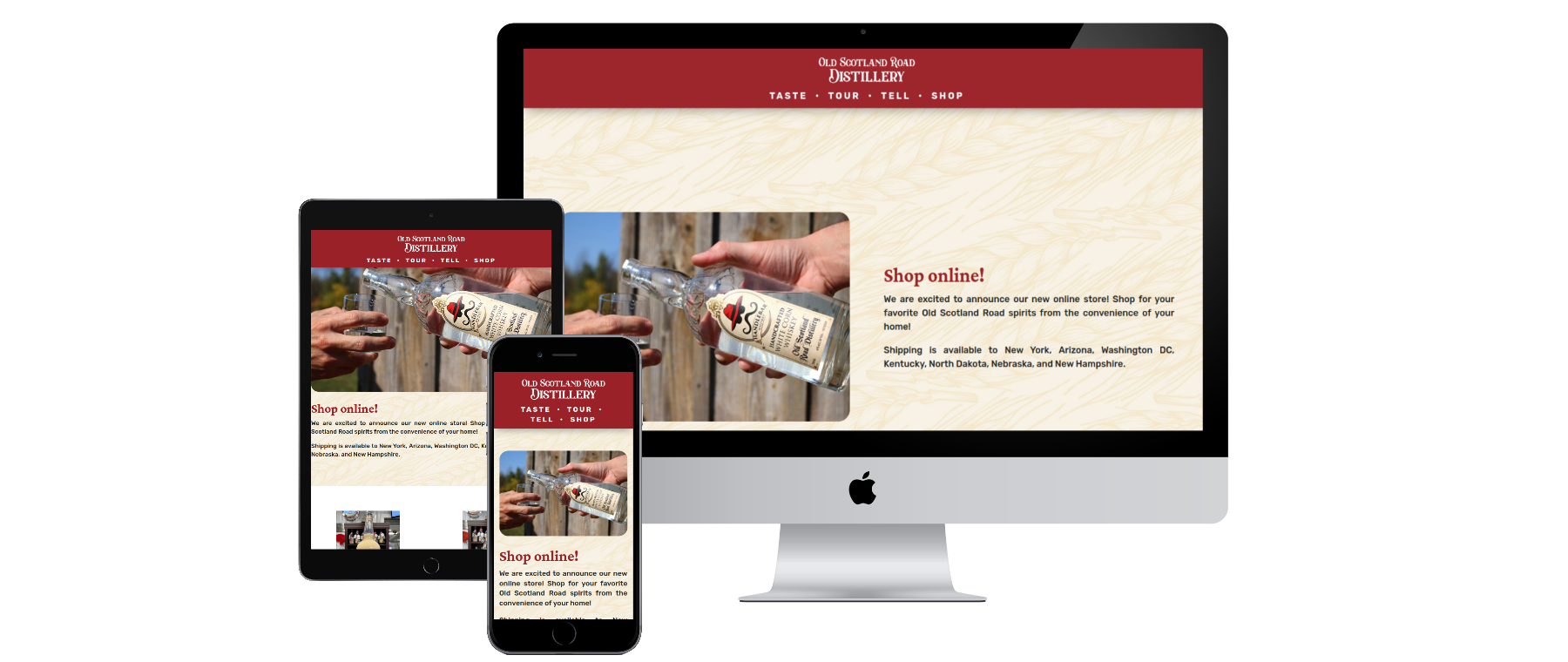
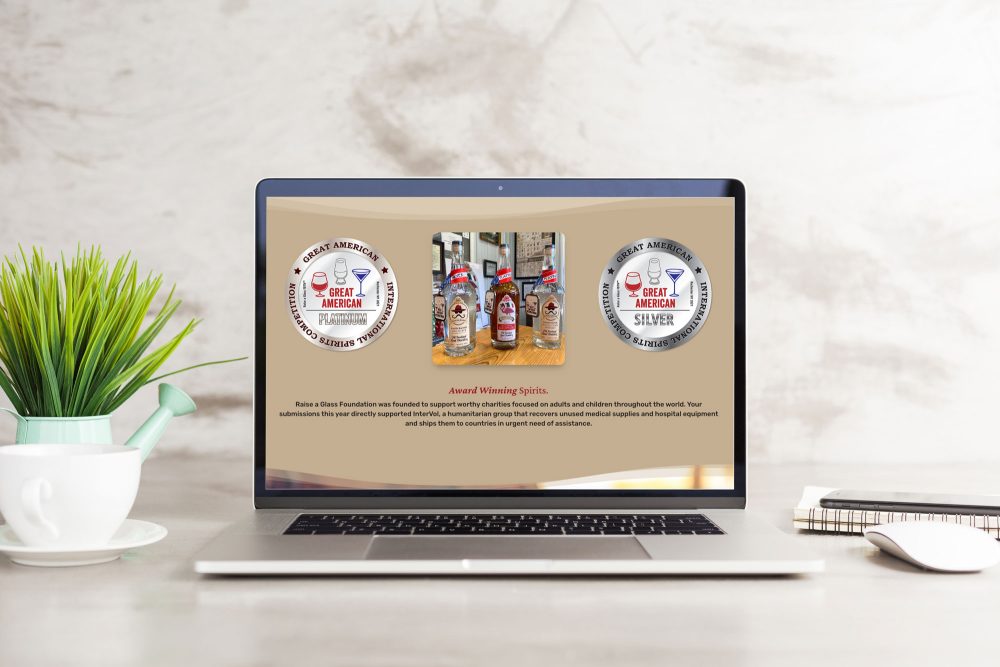
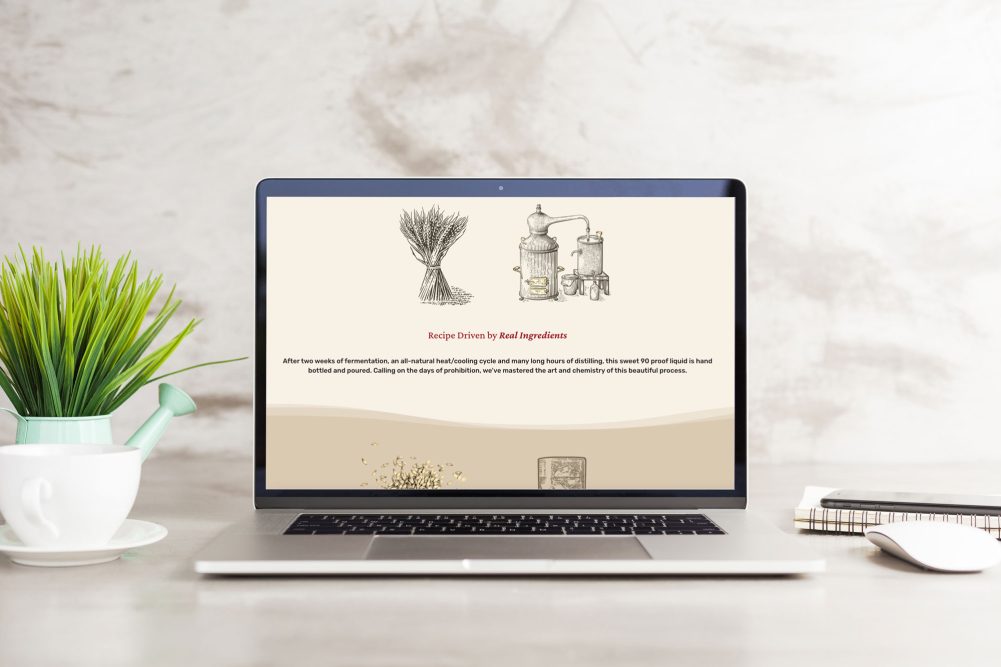
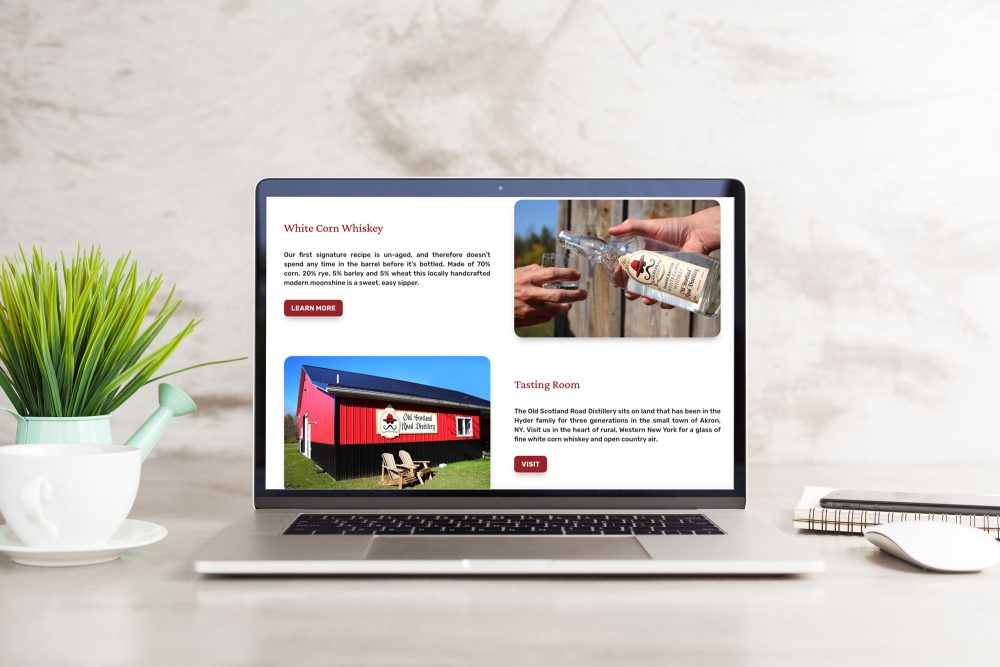
After our initial consultation, we worked to rebuild all pages of their website. This involved rebuilding their homepage, product information and about page. We worked with an existing framework and built out a fresh website design that helped highlight their products. It was important to tell the story of their handcrafted spirits, along with highlighting the numerous awards Old Scotland Road has won in a few short years.
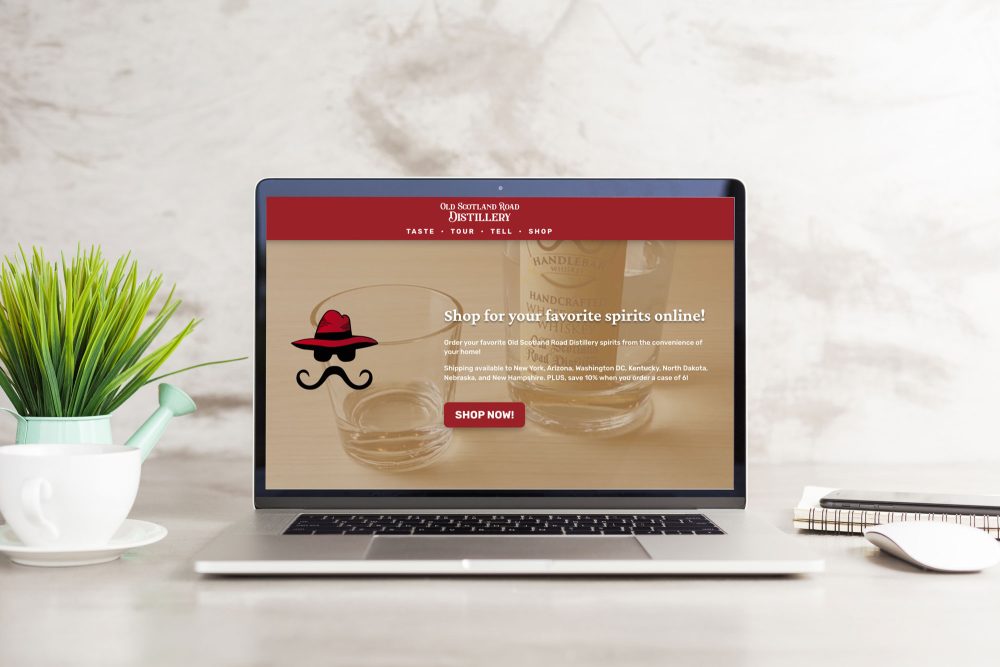
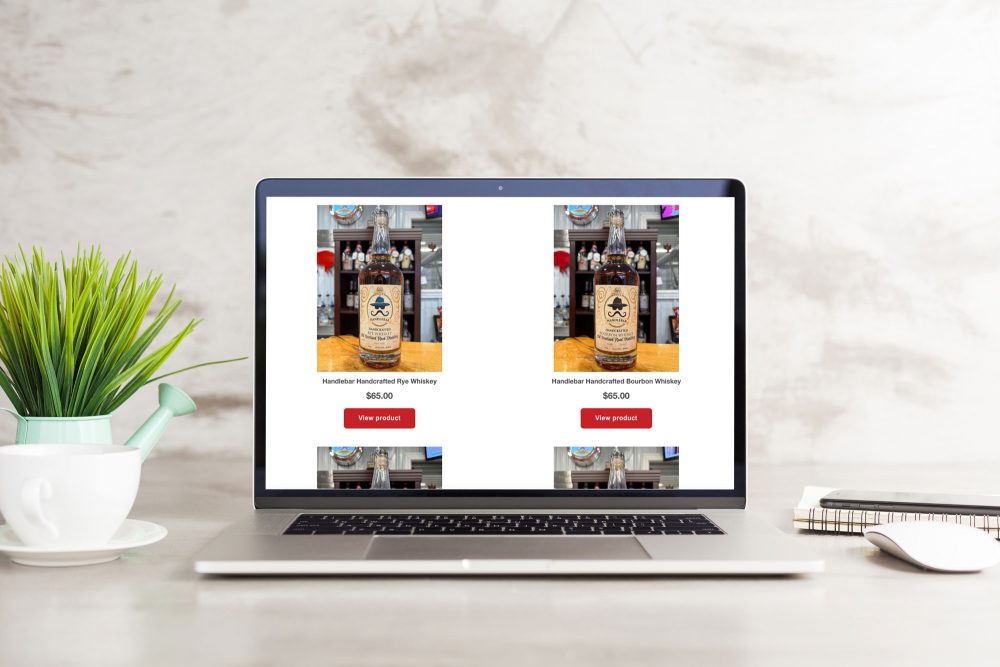
The next stage of our collaboration involved building Old Scotland Road an online store to take advantage of new laws in New York State. Their new store was built on Shopify and allows their customers from around the country to shop their spirits! This new online store helps allow this small business to expand their reach to new customers around the country.

Custom Distillery Website Design
In an era where online presence can make or break a business, distilleries must invest in effective website design to capture the attention of potential customers. Distillery website design involves not just aesthetic appeal but also functionality that invites user engagement and promotes the brand’s unique identity. This article will explore the intricacies of distillery website design, providing insights into the fundamental elements that contribute to a successful online platform.
As consumers increasingly turn to the internet for information and purchases, a well-designed website can enhance a distillery’s reputation, improve customer interaction, and boost sales. The importance of a captivating online presence cannot be overstated, as it serves as the digital storefront that communicates a distillery’s ethos, products, and values to a global audience.
Understanding Client Needs
The first step in creating a successful distillery website is to engage with the client to understand their vision, goals, and target audience. Conducting thorough research and interviews with the distillery owners can uncover essential insights about their mission and the unique aspects of their products. These insights will inform the design process and ensure that the website aligns with the distillery’s overall branding strategy.
Identifying customer profiles is crucial, as it allows the design team to tailor the website features according to user preferences. For instance, a distillery targeting craft spirit enthusiasts will require a different approach than one aimed at casual consumers. Understanding the demographics, behaviors, and preferences of the target audience is vital for creating content that resonates and engages effectively.
Web Design Strategies for User Engagement
Once client needs are established, implementing design strategies that foster user engagement becomes paramount. This includes selecting a visually appealing color palette, typography, and imagery that reflects the distillery’s brand. High-quality images of the products and distillation process, along with engaging storytelling, can effectively draw users in and keep them on the website longer.
Moreover, incorporating interactive elements such as virtual tours of the distillery, videos showcasing the production process, and tasting notes can enhance user experience. Such features not only entertain but also educate potential customers about the products, thereby increasing the likelihood of a purchase.
Implementing Responsive Design Principles
With the proliferation of mobile devices, ensuring that the distillery website is responsive is essential. Responsive design allows the website to adapt seamlessly to different screen sizes, providing an optimal viewing experience across devices. This not only improves user experience but also positively impacts search engine rankings, which is crucial for visibility.
By using fluid grids, flexible images, and CSS media queries, designers can create a distillery website design that maintains usability and aesthetic appeal on smartphones, tablets, and desktops. An effective responsive design can lead to better user retention rates and decrease bounce rates, ultimately translating to increased sales and customer satisfaction.
Distillery Website Redesign
Assessing Current Website Performance
For distilleries with existing websites, evaluating current performance is a critical step before embarking on a redesign. Tools such as Google Analytics can provide insights into user behavior, traffic sources, and conversion rates. This data is invaluable for identifying strengths and weaknesses in the current website, allowing the design team to prioritize areas that require enhancement.
Additionally, soliciting feedback from users can reveal pain points that may not be evident through analytics alone. This feedback can guide the redesign process, ensuring that the new website addresses the specific needs and preferences of its target audience, thereby enhancing overall user satisfaction.
Identifying Areas for Website Improvement
After assessing performance, the next step is to identify specific areas for improvement. Common issues found in many distillery websites include slow loading times, outdated design, and lack of clear navigation. By addressing these issues, the redesign can significantly enhance user experience.
For instance, optimizing images and utilizing efficient coding practices can improve loading speeds. Additionally, redesigning the website structure to feature intuitive navigation can help users find information quickly, increasing the likelihood of engagement and conversion.
Showcasing Brand Identity Through Web Design
A successful distillery website redesign should ultimately reflect the distillery’s brand identity. This includes incorporating brand colors, logos, and messaging consistently throughout the site. Visual elements should tell a story about the distillery’s heritage, craftsmanship, and unique selling propositions.
Storytelling through design can involve creating a dedicated section about the distillation process, the origins of the ingredients, or the people behind the brand. This not only builds trust with consumers but also differentiates the distillery from competitors in a crowded marketplace.
Creating a Distillery Online Store

Integrating E-commerce Functionality
As online shopping continues to dominate the retail industry, integrating e-commerce functionality into the distillery website is essential for driving sales. This includes setting up a secure and user-friendly online store that allows customers to browse products, add items to their cart, and complete transactions seamlessly.
Implementing a robust e-commerce platform such as Shopify or WooCommerce can facilitate product management, inventory tracking, and payment processing. Additionally, offering multiple payment options, including credit cards, PayPal, and digital wallets, can cater to a broader audience and enhance the shopping experience.
User Experience in Online Shopping
Creating a positive user experience in online shopping is crucial for converting visitors into customers. The website should feature clear product descriptions, high-resolution images, and customer reviews to provide potential buyers with the confidence to make a purchase. Additionally, easy access to customer service through live chat or FAQs can enhance the overall shopping experience.
To further incentivize purchases, distilleries can implement promotional strategies such as discounts, loyalty programs, and free shipping on orders over a certain amount. These strategies can encourage users to complete their purchases and foster brand loyalty.
Marketing Strategies for Online Sales
Once the online store is set up, promoting products through effective marketing strategies is essential. Utilizing social media platforms, email marketing, and content marketing can create buzz around the distillery and attract potential customers to the website.
Engaging content such as blog posts about distilling processes, cocktail recipes, and product highlights can draw organic traffic to the website. Collaborating with local influencers or participating in virtual events can also boost visibility and reach a larger audience, ultimately driving sales through the online store.
Conclusion

Measuring Success of the New Distillery Website Design
After the launch of the redesigned website, monitoring its performance is crucial for determining the success of the project. Key performance indicators (KPIs) such as website traffic, conversion rates, and customer feedback should be regularly analyzed to assess effectiveness. Continuous tracking will not only highlight areas for further improvement but also validate design choices that resonated with users.
In addition, user testing and A/B testing can provide valuable insights into how different design elements impact engagement and sales. By using this data-driven approach, distilleries can make informed decisions about future updates and enhancements to the website.
Future Trends in Distillery Website Design
The landscape of website design is ever-evolving, and staying ahead of trends is crucial for maintaining a competitive edge. Future trends in distillery website design may include increased personalization, where websites adapt content based on user preferences, and the integration of augmented reality (AR) experiences that allow customers to visualize products in innovative ways.
Additionally, as sustainability becomes more important to consumers, incorporating environmentally friendly practices into both the distillery’s operations and website messaging may resonate more strongly with the audience. Keeping abreast of these trends can help distilleries remain relevant and appealing in a fast-paced digital environment.
FAQs
A well-designed distillery website serves as the primary online presence, attracting customers and potential buyers. It enhances user experience, showcases products effectively, and communicates the brand’s identity.
Improvements can be made by assessing current performance metrics, gathering user feedback, and addressing design issues such as navigation, loading speeds, and content quality.
E-commerce functionality allows distilleries to sell products directly online, expanding their customer base and providing convenience for consumers looking to purchase spirits.
Effective marketing strategies include social media promotion, email marketing campaigns, content marketing, and influencer collaborations to enhance visibility and drive traffic to the online store.
Success can be measured using key performance indicators (KPIs) such as website traffic, conversion rates, user engagement, and customer feedback to evaluate effectiveness and identify areas for improvement.